
AI in Security and Surveillance: Uses, Limits and Risks
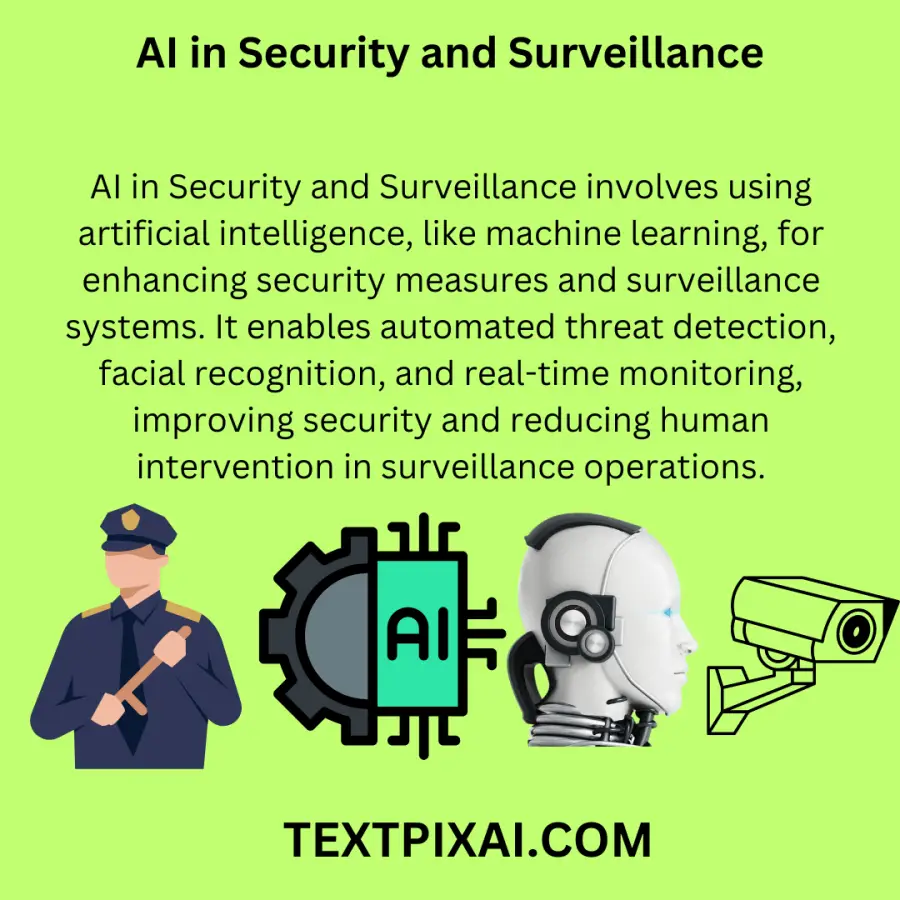
AI in security and surveillance covers a wide range of tools, from cameras that flag unusual movement to software that detects cyber attacks and systems that recognise faces in crowds. Some of these tools genuinely improve safety. Others raise serious questions about privacy, accuracy and misuse. This guide explains how AI is used in security today, what it can and cannot do, and what rules and safeguards matter.
What "AI surveillance" actually means
Traditional CCTV records video for people to watch later. AI-enabled systems add software that analyses the video, audio or data as it arrives. Instead of a guard watching dozens of screens, the system raises an alert when it detects something it has been trained to notice. The same idea applies to computer networks, where AI watches traffic for signs of an intrusion.
Common uses of AI in physical security
Video analytics
Video analytics software can detect people, vehicles and objects, count crowds, read number plates and spot events such as someone climbing a fence or leaving a bag behind. Shops use it to understand footfall, car parks use it for automatic entry, and businesses use it to protect premises after hours.
Access control
Offices and estates increasingly use card readers, PIN pads and biometric checks such as fingerprint or face matching to control who can enter. AI helps match faces or fingerprints and can flag unusual access patterns, such as a card used at two sites at the same time.
Facial recognition
Facial recognition compares a face in an image with a database of known faces. It is the most controversial use. Accuracy depends heavily on image quality, lighting and the data the system was trained on, and studies have found error rates that differ between demographic groups. A wrong match can lead to someone being stopped or accused unfairly, which is why many jurisdictions restrict its use. Our article on bias in AI explains why these disparities happen.
AI in cybersecurity
Security is not only about cameras. In cybersecurity, AI is used to:
- Filter phishing and spam emails before they reach inboxes.
- Detect malware by its behaviour rather than a known signature.
- Spot unusual logins, such as access from a new country at an odd hour.
- Help security analysts summarise alerts and investigate incidents faster.
Attackers use AI too, for more convincing phishing messages, cloned voices and automated scanning for weak systems. Defensive tools have to keep improving as a result.
What AI security tools do well, and where they fail
AI systems are good at repetitive watching: they do not get tired or distracted, and they can process far more footage or log data than people. They are weaker at context. A system may flag a delivery driver as an intruder or miss a real threat that looks unlike its training data. False alarms waste time, and too many of them lead staff to ignore alerts altogether.
Because of this, sensible deployments keep a human in the loop for any decision that affects a person, such as calling the police or refusing entry, and they measure error rates in their own environment rather than trusting vendor claims.
Privacy, law and accountability
Surveillance collects personal data, often about people who never agreed to it. Data protection laws apply. In the UK and EU, regulators such as the Information Commissioner's Office and the European Data Protection Board publish guidance on using AI and video lawfully. The EU AI Act bans some practices outright, such as untargeted scraping of facial images to build recognition databases, and places strict conditions on real-time remote biometric identification in public spaces. In Nigeria, the Nigeria Data Protection Act 2023 applies to the processing of personal data, including CCTV footage.
For a broader view of how different countries regulate AI, see AI Regulation Around the World: 2026 Overview.
A checklist before deploying AI surveillance
If you manage a business, school or estate and are considering AI cameras or analytics, work through these questions first:
- What problem are you solving? Write down the specific risk, such as theft from a store room, and check whether a simpler measure would work.
- Is it proportionate? Avoid recording areas where people expect privacy, and do not collect more than you need.
- Who is told? Put up clear signs and explain what is recorded, why and for how long.
- How long is footage kept? Set a retention period and delete data automatically when it ends.
- Who can access it? Limit access, log who views footage and secure the system against hacking.
- How accurate is it here? Test the system in your real conditions and record false alarms.
- Who decides? Make sure a trained person reviews alerts before any action is taken against someone.
The NIST AI Risk Management Framework offers a structured way to think through these risks, even for small organisations.
Writing a clear surveillance notice
Many organisations struggle to explain their monitoring in plain language. A tool such as the TextPixAI AI Chat assistant can help you draft a short notice or internal policy that covers purpose, retention and contact details. Treat the output as a first draft and have it checked against the law that applies to you. For more on how personal data is handled by AI tools themselves, read Data Privacy and AI Tools: What Happens to Your Data.
Related guides
Keep reading in this topic cluster:
- Bias in AI: Real Examples and How to Reduce It
- AI Regulation Around the World: 2026 Overview
- Data Privacy and AI Tools: What Happens to Your Data
- How to Spot AI Scams and Deepfakes Before You Pay
- AI Ethics Principles Explained in Plain English
Frequently Asked Questions
How is AI used in security and surveillance?
AI analyses video, access logs and network data to detect people, vehicles, unusual behaviour, intrusions and cyber attacks, and it raises alerts for humans to review.
Is facial recognition accurate?
Accuracy varies widely with image quality and the system used, and error rates can differ between groups of people. It should not be the sole basis for decisions about individuals.
Is AI surveillance legal?
It depends on where you are and how it is used. Data protection laws generally require a clear purpose, transparency, proportionate collection and secure storage, and some uses are banned in the EU.
Can AI cameras work without internet?
Some systems process video on the camera or a local recorder, while others send footage to the cloud. Local processing can reduce privacy and connectivity risks.
Does AI replace security guards?
It changes their work rather than replacing it. AI handles constant monitoring, while people verify alerts, respond to incidents and make judgement calls.



